55 Business Travel Statistics We Got From 2026


Business travel has changed dramatically over the past few years. While remote working and video conferencing became the norm during the pandemic, face-to-face meetings are still considered essential for building trust, winning clients, and maintaining strong business relationships.
From rising “bleisure” travel to the growing number of female business travellers, the latest data shows that the corporate travel industry is evolving fast.
In this guide, we break down the latest business travel statistics for 2026, including spending trends, traveller demographics, post-pandemic recovery data, and the biggest shifts affecting everything from business meetings and events to corporate group transport.
Key Business Travel Statistics
Here are some of the most important business travel statistics for 2026:
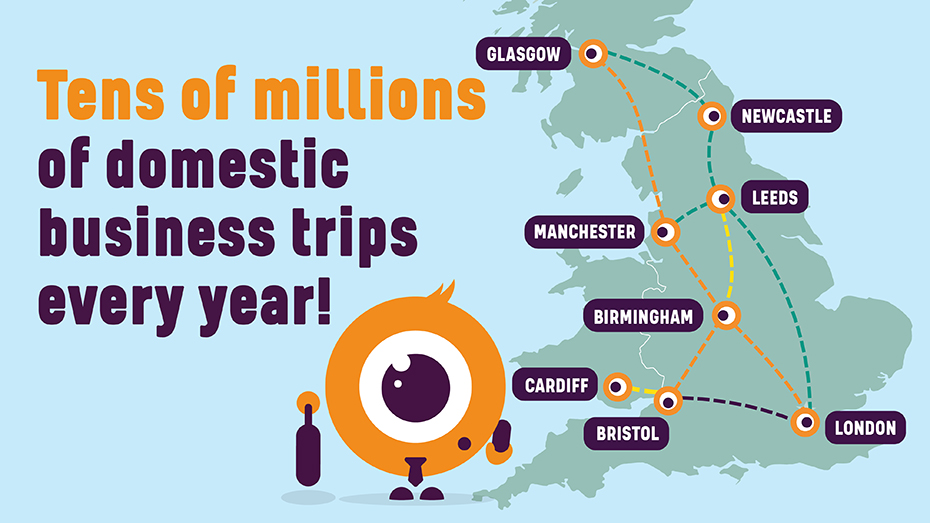
- There are tens of millions of domestic business trips annually.
- Global business travel spending was expected to exceed £1.2 trillion.
- 64% of workers believe face-to-face meetings are critical for building business relationships.
- 86% of people cancelled international business travel plans during the pandemic.
- UK firms could unlock more than £319 billion in additional sales through strategic investment in business travel.
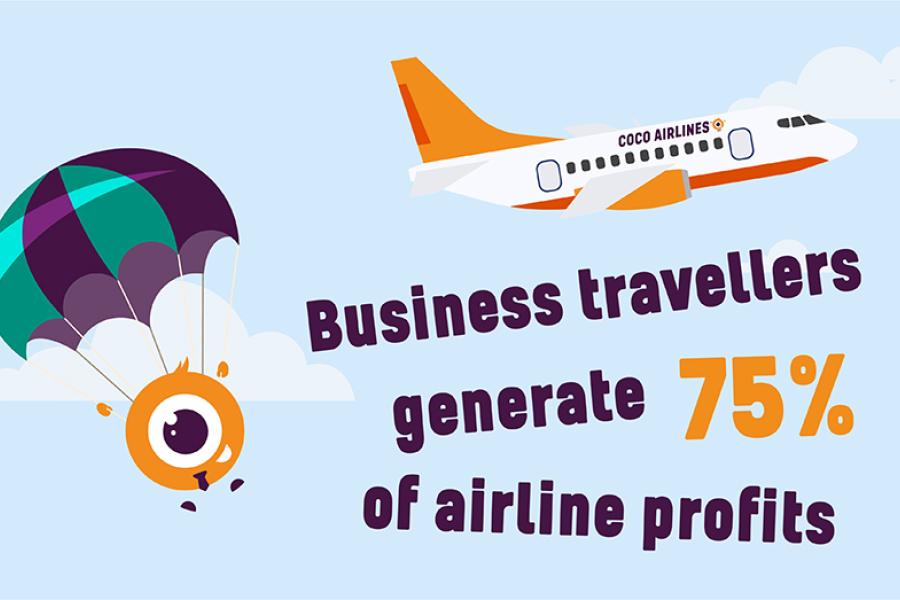
- 75% of airline profits come from business travellers despite them making up only 12% of passengers.
- 40% of hotel guests travel for work purposes.
- Women make up 57% of the UK business travel workforce overall, reflecting their growing influence across the corporate travel sector.
- 69% of millennials extend business trips for leisure.
- Less than 7% of business trips are more than 1,000 miles from their origin.
Business Travel Industry Statistics
Business travel remains one of the biggest contributors to the global travel industry.
According to the latest data:
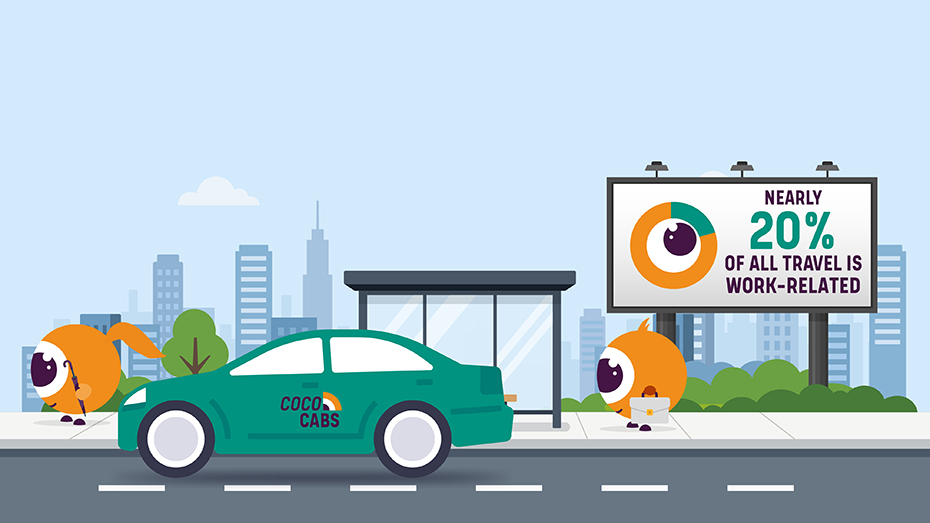
- Nearly 20% of all travel is work-related.
- UK firms could unlock more than £319 billion in additional sales through strategic investment in business travel, according to GBTA research published in 2025.
- 28.4% of global travel and tourism revenue comes from corporate travel.
- More than 700,000 companies used Airbnb for work travel.
- Sales trips are one of the biggest drivers of corporate travel, with 43% of businesses sending employees abroad for sales-related activities.
Despite concerns over remote work reducing travel demand, many businesses still rely heavily on in-person meetings to maintain client relationships and secure new contracts.
Post-Pandemic Business Travel Statistics
The COVID-19 pandemic had a major impact on the business travel sector.
Some of the biggest post-pandemic business travel trends include:
- 86% of travellers cancelled international business trips during the pandemic.
- Corporate travel activity fell to just 10% of pre-pandemic levels during 2021.
- More than 50% of travel managers planned permanent reductions in travel budgets.
- 93% of businesses aimed to permanently change remote work and meeting policies.
- 66% of companies expected to permanently alter travel policies.
However, the industry has shown signs of recovery:
- 68% of businesses expected business travel to return to pre-pandemic levels.
- The global business travel market is forecast to reach more than £1.5 trillion by 2028.
- Smaller companies are leading the recovery, with 68% expecting travel budgets to increase.
The data suggests that while virtual meetings are here to stay, business travel still plays a crucial role in sales, networking, and client management.
Business Traveller Demographics
Business travel demographics continue to shift, particularly among younger travellers and women.
Key demographic statistics include:
- 60% of corporate travellers are male.
- 50% of business travellers are over 45 years old.
- 55% of work trips are taken by people aged between 30 and 49.
- Two-thirds of corporate travellers have a bachelor’s degree.
- 42% of UK business travellers hold senior management or director-level roles.
- Office Managers, Personal or Executive Assistants, and Company Travel Coordinators or Managers are all booking significantly more journeys than they were two years ago
The increasing number of female business travellers has also influenced hotel design, transport services, and business travel safety policies across the industry.
Millennial Business Travel Statistics
Millennials have significantly reshaped corporate travel habits.
Some of the most interesting millennial business travel trends include:
- 65% of millennial business travellers see work trips as a status symbol.
- Younger business travellers, particularly Gen Z and Millennials prefer mobile app-based services.
- 69% want to extend business trips for leisure purposes.
- 78% make time for leisure activities during work trips.
- Millennials average multiple business trips per year.
- Younger business travellers, particularly Gen Z and Millennials prefer mobile app-based services, however traditional taxi channels also remain highly utilised, especially among older travellers
- 56% admit to creating reasons to travel for work.
The rise of “bleisure” travel, combining business and leisure, has become one of the biggest trends in the travel sector.
In fact:
- Bleisure travel grew by 20% year-on-year.
- More than 40% of business trips are extended for leisure.
This trend has helped hotels, airlines, and travel companies create more flexible packages aimed at business travellers who want to add personal experiences to work trips.
Airline & Hotel Business Travel Statistics
Business travellers remain incredibly valuable to airlines and hotels.
Some of the biggest hospitality-related statistics include:
- Business travellers make up only 12% of airline passengers.
- However, they generate 75% of airline profits.
- 40% of hotel guests travel for work purposes.
- Corporate travel represents more than a quarter of all travel and tourism revenue worldwide.
Business travellers tend to spend more on premium seating, flexible bookings, hotels, dining, and additional services compared to leisure travellers.
Most Popular Business Travel Destinations
While international business hubs continue to attract corporate travellers, domestic travel remains the backbone of the UK business travel market.
Key destination trends include:
- Most business trips are under 250 miles.
- Fewer than 7% of work trips are over 1,000 miles.
- Major UK cities e.g., London, Birmingham, Manchester, Leeds and Glasgow, remain key destinations for meetings, conferences and corporate events.
- Regional business hubs are becoming increasingly important as hybrid working encourages more travel between offices and event venues across the UK.
- Internationally, cities like New York, Shanghai and Tokyo continue to be the world's leading destinations for business travel.
- The UK remains one of Europe's largest business travel markets, whilst China and the US continue to lead globally.
Why Business Travel Still Matters
Although remote work and online meetings have become more common, business travel remains essential for many industries.
According to recent surveys:
- 64% of workers believe in-person meetings are critical for healthy business relationships.
- 53% trust salespeople more in face-to-face settings than online.
Businesses continue to rely on travel for:
- Sales and business development
- Client relationship management
- Employee training
- Internal strategy meetings
- Conferences and networking
For many organisations, the return on investment from business travel still outweighs the costs.
Why Businesses Are Choosing Coach and Minibus Travel
As business travel continues to evolve, many organisations are rethinking how they transport employees to meetings, conferences, exhibitions, corporate events, and team-building activities.
Hiring a coach or minibus can often be more cost-effective than arranging multiple individual journeys, while also helping businesses reduce their environmental impact and simplify travel logistics. Group transport allows teams to travel together, arrive on time, and make better use of travel time, whether that's preparing for a meeting or networking with colleagues.
At CHC, we've seen growing demand from businesses looking for practical and affordable group transport solutions. By comparing quotes from trusted operators across the UK, companies can find transport options that suit their budget, group size, and travel requirements, making corporate travel planning quicker and more efficient.
Final Thoughts
The business travel industry is evolving rapidly, with hybrid working, flexible travel policies, and bleisure travel shaping the future of corporate trips.
While the pandemic permanently changed the way companies approach travel, the latest statistics show that demand for face-to-face interaction remains strong.
As global travel continues to recover, businesses are increasingly balancing cost-saving measures with the long-term value of in-person meetings and relationship building.
Sources:
- CMAC Group - Business Travel Report 2026
- Statista
- Condor Ferries – Business Travel Statistics
- TravelPerk – Business Travel Statistics Report
- Morgan Stanley – Future of Business Travel Research
- FinancesOnline – Business Travel Statistics
- HR Dive – Corporate Travel Trends
- GBTA UK Business Travel Study (2025)
- Booking.com for Business – UK Business Traveller Demographics